

Can You Borrow a Feeling?
Fashion is moving away from performance and back toward presence.
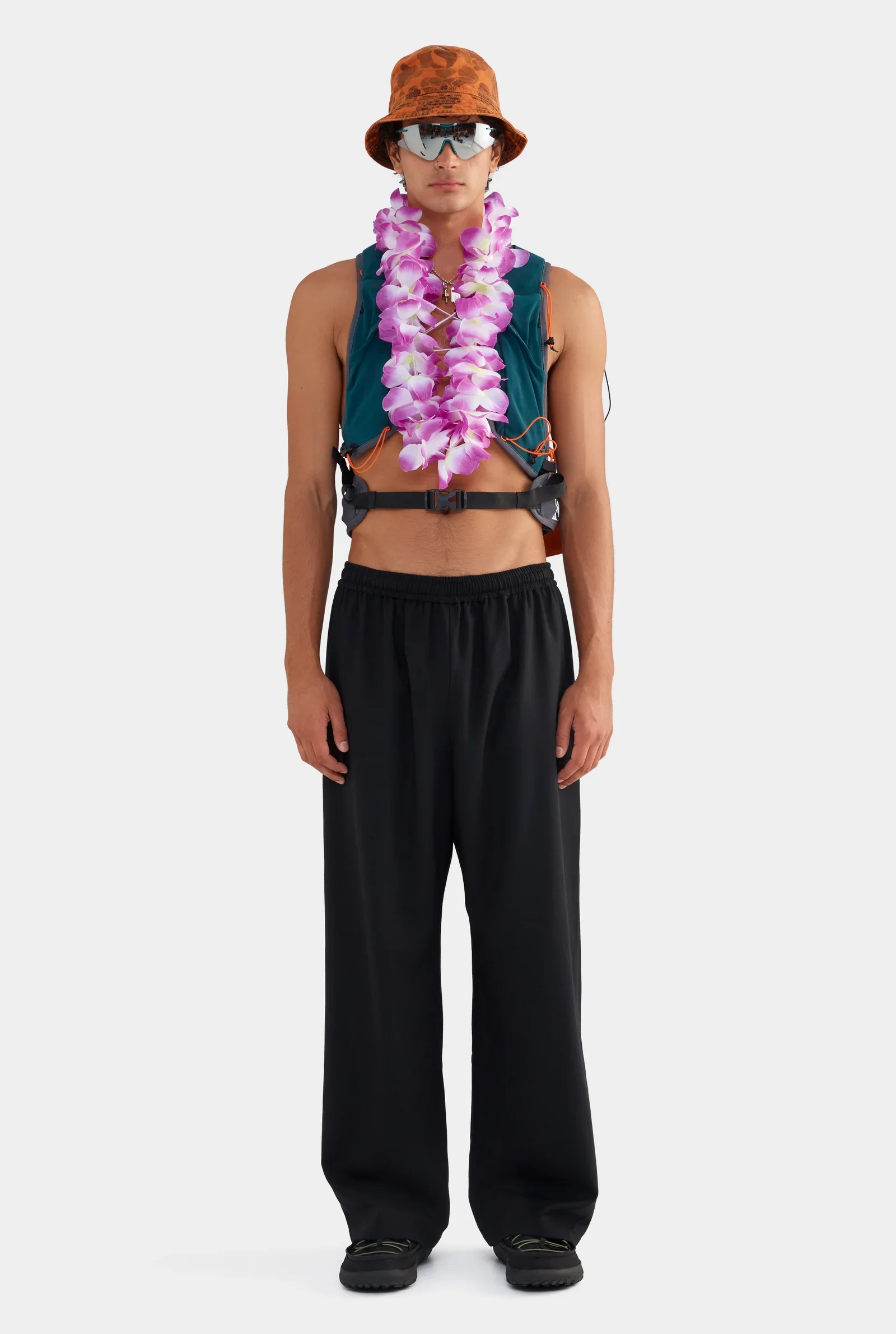
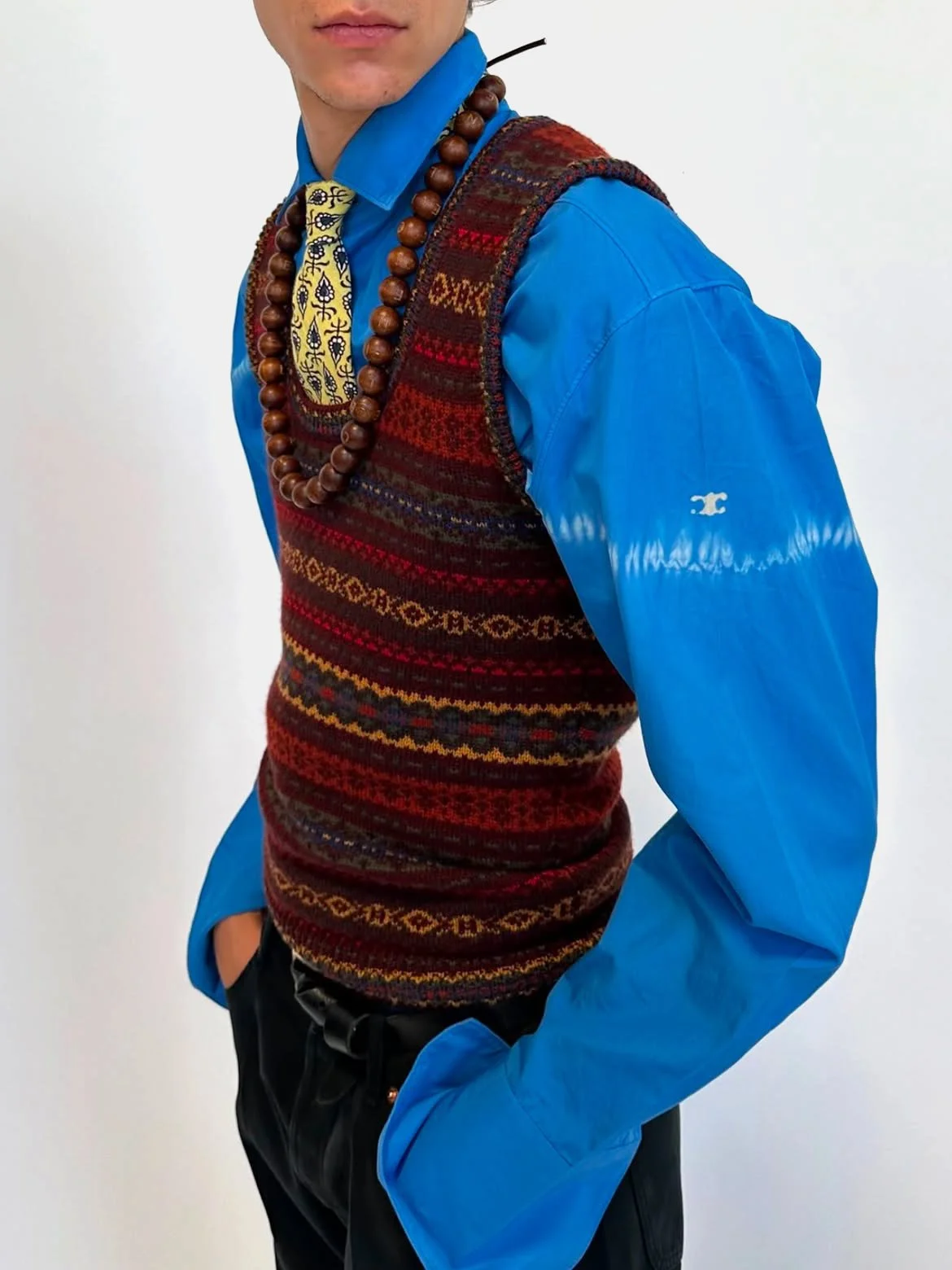
Each Spring/Summer season tends to hold our attention a little longer. Looking across the SS27 collections, familiarity emerged not in the predictable rhythm of trends, where colours replace colours and silhouettes replace silhouettes, but in quieter ways. A loosened shirt collar. Raffia woven into a bag. Fabric tied casually at the waist. Natural seed necklaces. Shells stitched into denim. Linen left creased as though it had already lived a life before reaching the runway. Leather softened by finishes that celebrated wear rather than perfection.
Taken individually, none of these details is remarkable. Woven fibres, coastal dressing and handcrafted adornment belong to no single place or culture. They have existed across continents for centuries. Yet seen together, collection after collection, they begin to describe a common mood. Clothes less concerned with display than with texture, tactility and ease.
The industry often gathers these references under the broad banner of "resortwear". It’s a useful label, but an incomplete one. Resorts are destinations. These collections seem more interested in a state of mind. They suggest slower rhythms, closeness to nature and clothes that feel shaped by experience rather than performance.
For much of the twentieth century, luxury fashion communicated status. The object itself became proof of success. Quiet luxury softened that message, replacing spectacle with restraint. Looking across SS27, another shift seems to be unfolding. Luxury is becoming less about signalling taste than expressing a way of living.
The research tells a similar story. According to The State of Luxury 2025, published by McKinsey & Company and The Business of Fashion, craftsmanship, creativity and meaningful experiences have become increasingly important as brands attempt to rebuild trust after years of price-led growth. Product excellence and craftsmanship are no longer heritage talking points. They have become commercial priorities.
Forecasting agencies such as WGSN point in a similar direction, identifying restoration, intentional pacing, community and wellbeing as defining cultural movements. Together, they describe a growing appetite for lives that feel slower, more connected and more considered.
Luxury is no longer competing solely with other luxury brands. It competes with wellness retreats, slow travel, meaningful experiences and, perhaps most of all, with time itself. Fashion, as it often does, has responded symbolically.
Handmade objects. Natural fibres. Weathered textures. Garments that appear to carry memory. Visual languages that communicate ease rather than urgency. Together they evoke an imagined coastal life, slower rhythms, natural materials, objects made by hand and worn often enough to carry traces of use. It is a feeling that surfaces again and again. Certain places have come to represent particular ways of living in the cultural imagination, whether or not those ideas reflect their full complexity.
For many people outside Oceania, the Pacific has become one of those places. It has come to symbolise a slower relationship with time, stronger communal ties, closeness to the ocean and an enduring culture of making. Whether that perception reflects contemporary Pacific life is another matter entirely. Like all places, the Pacific resists simplification. Yet the symbolism persists, and fashion has always been drawn to symbols.
Maybe, then, the more interesting question is not whether luxury is borrowing Pacific aesthetics. It’s whether it can celebrate the emotional world the Pacific represents without engaging with the people who have shaped it.
That distinction changes the conversation. It asks us to look beyond aesthetics and towards the philosophies that give them meaning. A woven basket is an object. Weaving is a knowledge system. Linen is a fabric. Living seasonally is a worldview. A shell necklace is an accessory. Ceremony is a relationship.
Fashion has become remarkably adept at translating philosophies into images. The question now is whether it is equally willing to engage with the people, histories and communities from which those philosophies emerge.
Perhaps the future of luxury doesn’t lie in discovering new aesthetics but in recognising that the feelings it seeks to evoke are inseparable from the philosophies, histories and communities that have always sustained them.