
The Restorative Era
"Fashion is changing its mood. The question is why."
Spend enough time looking at the Spring/Summer 2027 collections and a pattern begins to emerge. Not a trend in the traditional sense, hemlines rise and fall, colours come and go, but something less tangible. An atmosphere.
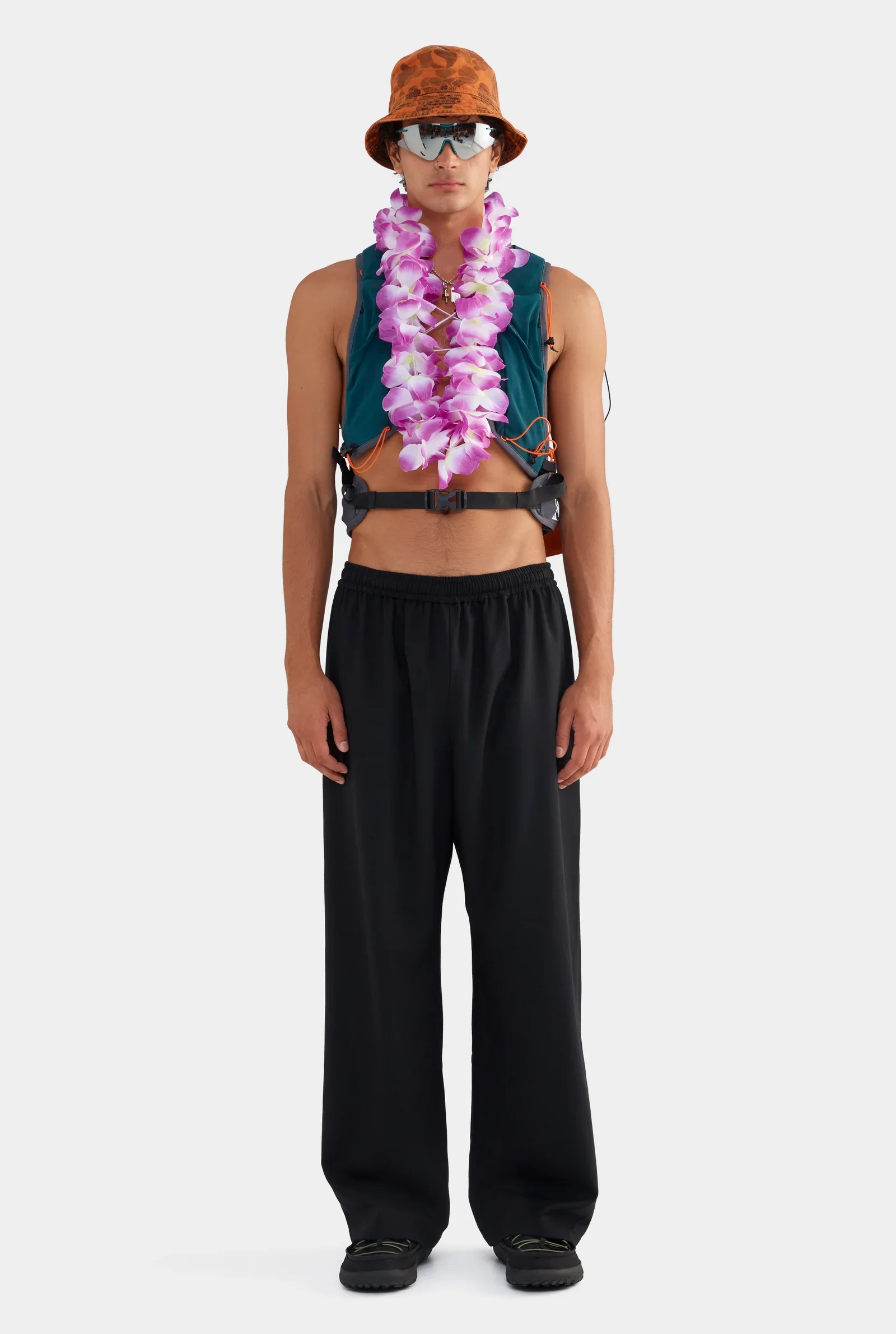
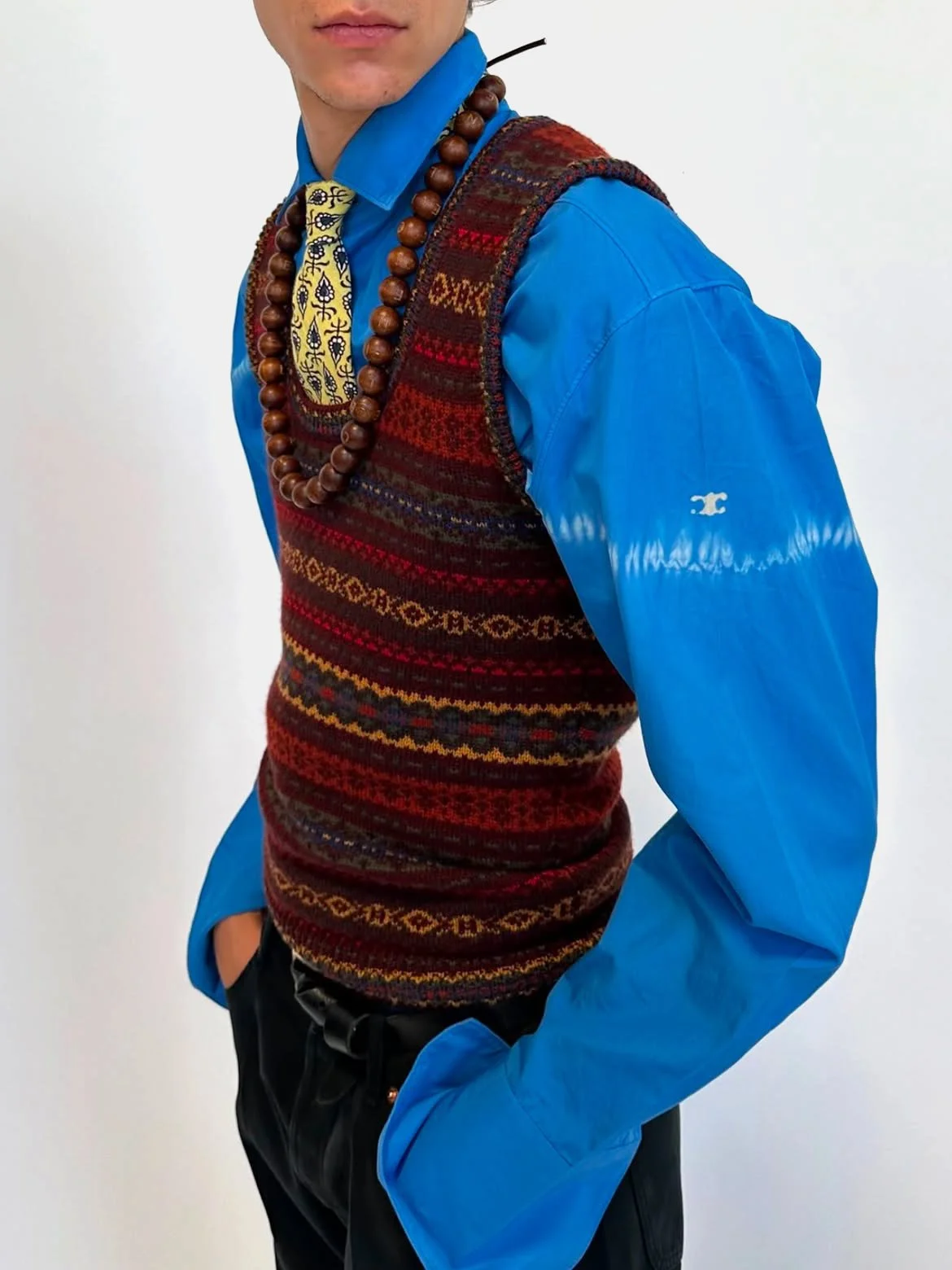
Menswear has softened. Across Paris and Milan, tailoring appeared lighter, shirts unbuttoned, silhouettes relaxed. Raffia reappeared. Shells adorned necklaces. Rope became belts. Linen was celebrated for its wrinkles rather than pressed into submission. Even leather looked as though it had already lived a life before arriving on the runway.
These details belong to no single culture. Woven fibres, coastal dressing and handcrafted ornamentation have existed across continents for centuries. Yet together they construct a remarkably consistent emotional landscape, one that feels increasingly familiar across luxury fashion.
It is tempting to describe this as "resortwear". The industry often does. But that language feels insufficient. Resorts are destinations. What these collections offer is something else entirely. They offer a way of feeling.
That shift matters because luxury is no longer selling what it once did. For much of the twentieth century, luxury communicated status. The object itself was evidence of success. More recently, during the years dominated by "quiet luxury", restraint became the marker of sophistication. Consumption remained central, but it became quieter, more discreet, less dependent on logos.
Today, another transition is underway.
According to The State of Luxury 2025, produced by McKinsey & Company and The Business of Fashion, luxury consumers are placing greater value on craftsmanship, creativity and meaningful experiences as brands attempt to rebuild trust after years of price-led growth. The report argues that restoring product excellence and reinforcing craftsmanship are now strategic priorities for the industry.
This recalibration extends beyond the product itself. Forecasting agencies such as WGSN have identified restoration, intentional pacing, community and wellbeing as defining consumer mindsets, describing a cultural movement away from perpetual acceleration and towards slower, more considered ways of living.
Taken together, these shifts suggest that luxury is no longer competing solely with other luxury brands. It is competing with wellness retreats, slow travel, meaningful experiences and the increasingly scarce resource of time itself. As McKinsey notes, consumers are weighing luxury goods against luxury experiences with growing frequency. Fashion, as it often does, has responded symbolically.
It has turned towards the handmade. Towards natural fibres. Towards weathered textures and objects that appear to carry memory. Towards visual languages that communicate ease rather than urgency.
It’s here where it starts to feel distinctly Pacific, not necessarily as a direct source of design inspiration, but as an emotional reference point.
For many people outside Oceania, the Pacific has come to symbolise a slower relationship with time, stronger communal ties, closeness to the ocean and an enduring culture of making. Whether that perception reflects the complexity of contemporary Pacific life is another matter. Like all places, the Pacific resists simplification. Yet the symbolism persists, and symbolism has always been fashion's preferred language.
Perhaps, then, the more interesting question is not whether luxury is borrowing Pacific aesthetics. Perhaps it is whether luxury has begun searching for values that Pacific communities have never stopped practising. That distinction changes the conversation entirely.
It moves us beyond questions of visual resemblance and into something more difficult to measure, philosophy. A woven basket is an object. Weaving is a knowledge system. Linen is a fabric. Living seasonally is a worldview. A shell necklace is an accessory. Ceremony is a relationship.
Fashion has become remarkably adept at translating ideas into images. The challenge now is whether it is equally willing to engage with the histories, relationships and communities from which those ideas emerge.
The future of luxury may not lie in discovering new aesthetics.
It may lie in recognising that some of the values it now finds most desirable, craftsmanship, stewardship, reciprocity and connection, have long existed beyond the runway, sustained by cultures that were never chasing trends in the first place.